

SUBSCRIBE
RATE
COMMENT
SUBSCRIBE RATE COMMENT
follow on spotify, apple YOUTUBE or AMAZON PODCASTS for auto updates
Podcast Portugal is available to subscibe on Spotify, YouTube, Amazon and Apple Podcasts.
Please Subscribe on your favourite provider so we can keep bringing you interesting guests and topics.
You can also listen or download each episode below.
guest line up.
Meet the voices behind the stories — every Friday, we release a new episode featuring inspiring guests from across Portugal and beyond, including artists, chefs, winemakers, musicians, historians, entrepreneurs, locals and expats.
Explore our diverse guest line-up and discover the people shaping Portuguese culture, food, travel, and daily life.
Columbus: A Portuguese Prince? Dr Manuel Rosa on His New Book.
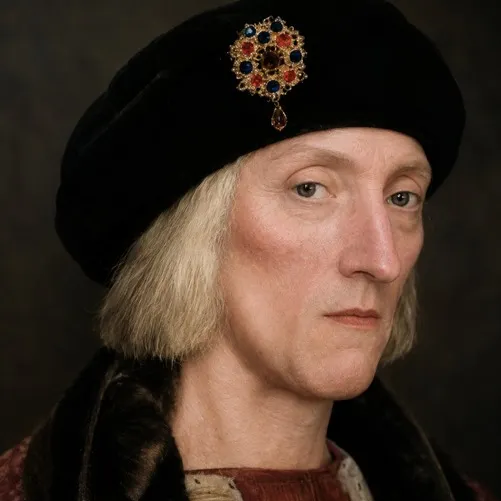
Columbus: A Portuguese Prince? Dr Manuel Rosa on His New Book.
Historian Dr Manuel Rosa on 35 years of research, a vanished Polish king hiding in Madeira, and why the story of the Genoese weaver does not stand up.
Was Christopher Columbus a Portuguese prince born in Madeira? Dr Manuel Rosa on his new book, a vanished Polish king and a secret kept for centuries.
For more than five centuries, Christopher Columbus has been remembered as an Italian weaver from Genoa. Dr Manuel Rosa believes that story is wrong. In this episode, Justin West welcomes Dr Rosa back to Podcast Portugal to discuss his new book, Colombo – Um Príncipe Português, the culmination of 35 years of research and the first in which he commits fully to his conclusion: that the navigator was born in Madeira, the son of King Władysław III of Poland.
Dr Rosa revisits the Battle of Varna in 1444, where the young king was said to have died. Letters written in 1445 describe him as alive and well, and a later letter from a monk points to his survival. According to Dr Rosa, Władysław chose not to reclaim his throne, made a pilgrimage as penance for breaking a truce, and settled in Madeira under the name Henrique Alemão, where he was granted lands confirmed by the Portuguese crown. His disappearance allowed his brother Casimir to take the Polish throne, and the truth was kept hidden at the highest levels of European power to prevent civil war.
The conversation explores how the names Colón, Colombo and Columbus became confused, beginning with an error in Rome in 1493, and how nineteenth-century historians attached the navigator's life to a Genoese weaver of the same name. Dr Rosa argues that a weaver could never have married into the nobility, as Columbus did when he wed Filipa Moniz, nor risen to become admiral and viceroy. Growing up in Madeira, where villages were linked by sea and his father owned boats, the young heir would instead have learned navigation from childhood.
Dr Rosa sets out the documents behind his case, including archival letters, chronicles and a Lithuanian genealogy linking the Polish royal house to the Colón family. He also explains why, as heir to the thrones of Poland, Hungary and Lithuania, Columbus's true identity had to remain a secret, and previews his next book, which will examine the 1492 voyage as a covert Portuguese mission against Spain.
Colombo – Um Príncipe Português is available now in Portuguese from bookshops across Portugal, with an English edition still to be announced.
Historian Dr Manuel Rosa on 35 years of research, a vanished Polish king hiding in Madeira, and why the story of the Genoese weaver does not stand up.
Was Christopher Columbus a Portuguese prince born in Madeira? Dr Manuel Rosa on his new book, a vanished Polish king and a secret kept for centuries.
For more than five centuries, Christopher Columbus has been remembered as an Italian weaver from Genoa. Dr Manuel Rosa believes that story is wrong. In this episode, Justin West welcomes Dr Rosa back to Podcast Portugal to discuss his new book, Colombo – Um Príncipe Português, the culmination of 35 years of research and the first in which he commits fully to his conclusion: that the navigator was born in Madeira, the son of King Władysław III of Poland.
Dr Rosa revisits the Battle of Varna in 1444, where the young king was said to have died. Letters written in 1445 describe him as alive and well, and a later letter from a monk points to his survival. According to Dr Rosa, Władysław chose not to reclaim his throne, made a pilgrimage as penance for breaking a truce, and settled in Madeira under the name Henrique Alemão, where he was granted lands confirmed by the Portuguese crown. His disappearance allowed his brother Casimir to take the Polish throne, and the truth was kept hidden at the highest levels of European power to prevent civil war.
The conversation explores how the names Colón, Colombo and Columbus became confused, beginning with an error in Rome in 1493, and how nineteenth-century historians attached the navigator's life to a Genoese weaver of the same name. Dr Rosa argues that a weaver could never have married into the nobility, as Columbus did when he wed Filipa Moniz, nor risen to become admiral and viceroy. Growing up in Madeira, where villages were linked by sea and his father owned boats, the young heir would instead have learned navigation from childhood.
Dr Rosa sets out the documents behind his case, including archival letters, chronicles and a Lithuanian genealogy linking the Polish royal house to the Colón family. He also explains why, as heir to the thrones of Poland, Hungary and Lithuania, Columbus's true identity had to remain a secret, and previews his next book, which will examine the 1492 voyage as a covert Portuguese mission against Spain.
Colombo – Um Príncipe Português is available now in Portuguese from bookshops across Portugal, with an English edition still to be announced.